IUPAC Name
Oxocalcium
Cas Number
1305-78-8
HS Code
2522.10.00
Formula
CaO
Appearance
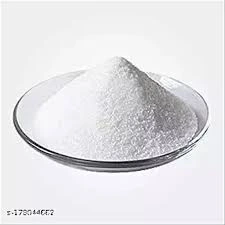
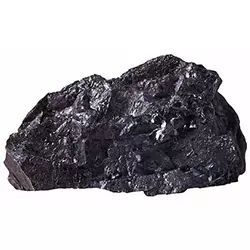
White or Grayish-White Lumps or Powder
Common Names
Lime, Hi-Cal Quicklime, Calcium Oxide, Burnt Lime, QL
Packaging
25 Kg PP/PE Bags
Brief Overview
Calcium oxide (CaO), also known as quicklime or burnt lime, is a highly corrosive and alkaline white crystalline solid at room temperature. Being an inexpensive compound to produce, along with calcium hydroxide, they are important chemicals for numerous industries. Calcium oxide has a melting point of 2570℃ (4658℉) and a boiling point of 2850℃ (5162℉). Calcium oxide dissolves in water to produce calcium hydroxide, an alkaline solution with a chemical formula of Ca(OH)2, also known as hydrated lime.
Manufacturing Process
Calcium oxide is produced by thermal decomposition of calcium carbonate of calcium carbonate materials such as limestone in a lime kiln. The limestone is first mined and then crushed and washed, removing the impurities. The material is heated during calcination or lime burning, releasing carbon dioxide and leaving behind quicklime. This reaction is reversible and quicklime can react with carbon dioxide to convert back to calcium carbonate. Therefore, carbon dioxide is readily removed to prevent the conversion back to calcium carbonate.
Paint industry
Quicklime is widely used in the manufacture of cement paint. It is also used as a filler. Quicklime is also a required to produce precipitated calcium carbonate (PCC) which is used as a coating and filling agent in paper.
Paper Industry
Calcium oxide is used to regenerate sodium hydroxide from sodium carbonate in the chemical recovery at Kraft pulp mills.
Mining and Oil Industry
Water detection pastes contain a mix of calcium oxide and phenolphthalein. Should this paste come into contact with water in a fuel storage tank, the CaO reacts with the water to form calcium hydroxide. Calcium hydroxide is highly alkaline and will turn phenolphthalein into a vivid purplish-pink colour, thus indicating the presence of water.
Other Applications
Calcium oxide is used in the construction industry to make cement and mortar for building purposes. It is added in asphalt for building roads to extend its lifespan and improve cohesion. It is also used to produce other chemicals for other purposes, such as calcium carbide.It is used to manufacture steel and iron from ores, as quicklime combines with the silica in the ore to form slag that can be removed from the pure molten iron or steel. It is also used in water treatment as well as reduction of air pollution. In glassmaking, calcium oxide is heated with silica and sodium carbonate to produce glass.